Why Reviewing Code Generated by AI Assistants Remains Ineffective
A critical look at why AI coding assistants still need human review and cannot yet replace developers.
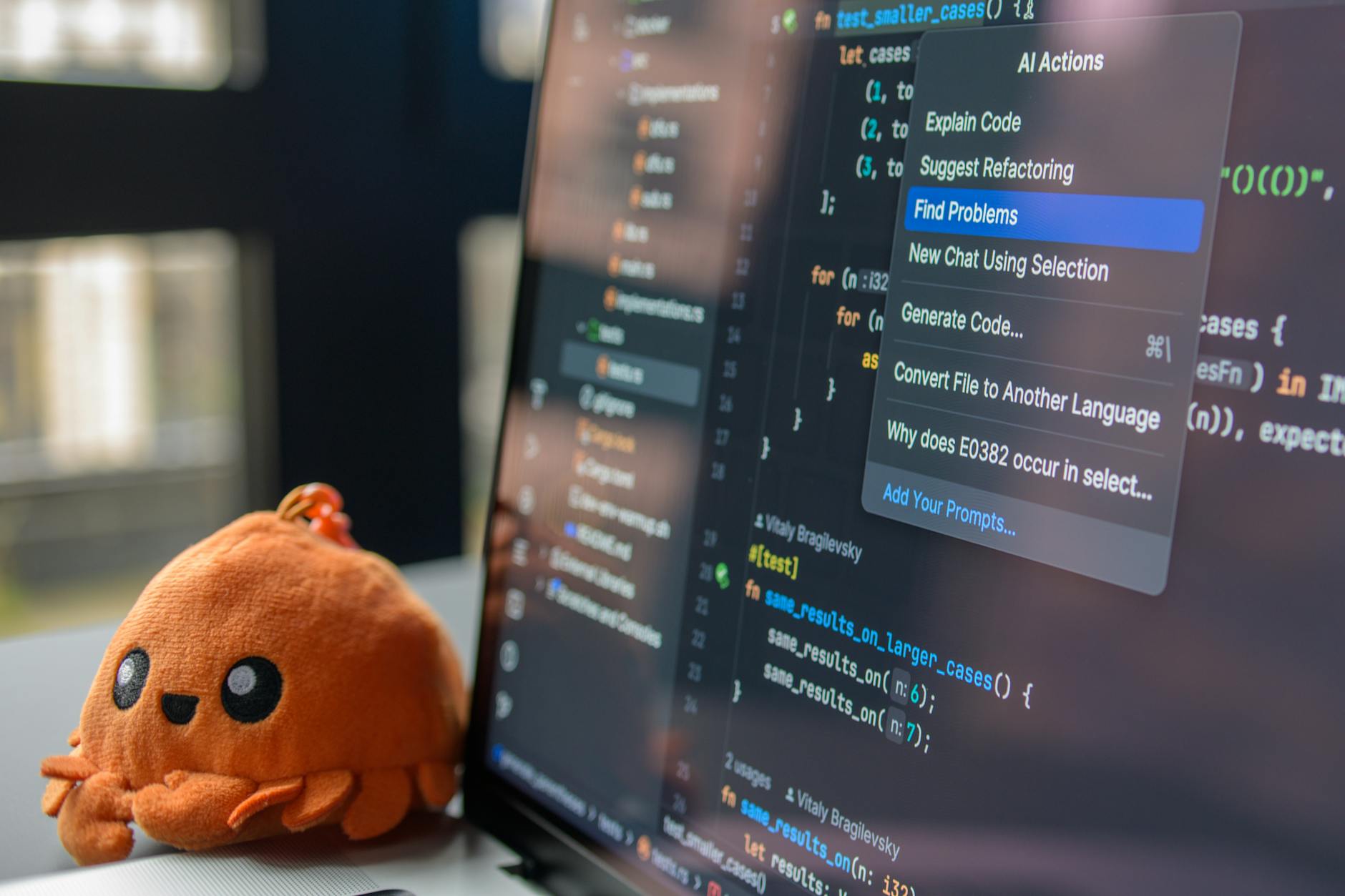
The hype around large‑language‑model (LLM) coding assistants has surged, promising faster development cycles. Yet a growing body of skeptical commentary highlights that these tools still produce frequent errors, hallucinations, and misaligned output. Developers who have experimented with them often compare the experience to supervising an eager but inexperienced intern. Understanding these limitations is crucial before organizations rely on AI to replace human code review.
What happened
The author of a recent blog post argues that LLM coding assistants carry a relatively high risk of getting things wrong due to both the inherent stochastic nature of language models and the design of their interaction interfaces. Errors can appear as hallucinations, typographical mistakes, or code that simply does not address the task at hand. Users report feeling like they are supervising an intern: enthusiastic but prone to mistakes, and the common recommendation from proponents is to review every suggestion just as one would review a junior developer’s work.
Why it matters
If organizations treat AI‑generated snippets as final code, hidden bugs can slip into production, increasing maintenance costs and exposing security vulnerabilities. Conversely, over‑cautious rejection of the tool wastes the potential productivity gains it can offer for low‑risk, repetitive tasks.
- Accelerates boilerplate generation.
- Offers instant language‑specific suggestions.
- Can surface patterns developers might overlook.
- Hallucinated code introduces subtle bugs.
- Misinterpretation of prompts leads to off‑track implementations.
- Requires exhaustive manual review, negating time savings.
How to think about it
Treat the assistant as a fast‑draft partner: let it generate initial scaffolding, then run static analysis, unit tests, and peer review before merging. Restrict its use to non‑critical modules, documentation, or code‑style suggestions, and always keep a human in the loop for any logic that impacts security or performance.
FAQ
Can I trust AI‑generated code for production systems?+
What types of tasks are AI coding assistants best suited for?+
How should teams incorporate AI tools without compromising code quality?+
Get the week’s most important gadget news and reviews in one short email. Free, and no spam.
- news·3 min readAI-Generated Code Will Inflate Repo Size and Tech Debt Over the Next Five Years
Exploring how AI‑assisted coding is expanding codebases, increasing complexity, and raising tech debt concerns for developers.
- ai·5 min readThe Frontier Model Release Wave: When Chasing the Leaderboard Becomes a Trap
GPT-5.5, Gemini 3.5, Claude Opus 4.8, and an open DeepSeek V4-Pro landed within weeks of each other. When models leapfrog this fast, chasing the top of the leaderboard stops being a strategy.
- ai·3 min readAI Use Erodes Human Skills in Medicine and Tech
AI tools degrade skills in professionals